What Is Luminasta? Sega's Prize Figure Line, Explained

Luminasta is Sega's line of anime prize figures, and if you collect at all you have probably seen one without knowing the brand name. This guide answers the questions collectors actually type: what a Luminasta figure is, how big they are, where they come from, how they compare to scale figures and Ichiban Kuji prizes, and whether they are worth buying. Short version up front: a Luminasta figure is a non-scale, pre-painted PVC display figure made by Sega and originally handed out as a Japanese arcade prize, usually standing somewhere between 17 and 23 cm. The line covers Chainsaw Man, Jujutsu Kaisen, Frieren, Demon Slayer and dozens of other series, and overseas fans buy them through importers and the aftermarket rather than winning them in an arcade.
What is a Luminasta figure?
A Luminasta figure is a non-scale, pre-painted PVC display figure produced by Sega and distributed as a Japanese amusement-arcade prize. “Luminasta” (ルミナスタ) is the brand name Sega puts on this particular prize line, in the same way Bandai Spirits brands its premium Ichiban Kuji figures MASTERLISE.
These are static display pieces. They come fully assembled and painted, mount on a base, and are meant to be set on a shelf rather than posed. Retail product listings name the maker plainly — “From Sega's ‘Luminasta' series comes this PVC figure,” as one Jujutsu Kaisen listing puts it — and file the line under “SEGA Prize Figures” alongside Banpresto, FuRyu and Taito prize brands.
The appeal is simple: a dynamic, screen-accurate figure of a favorite character at a price far below a scale statue. That trade-off — lower cost, prize-grade finish — is the whole identity of the line.
How big are Luminasta figures? About 17–23 cm and non-scale
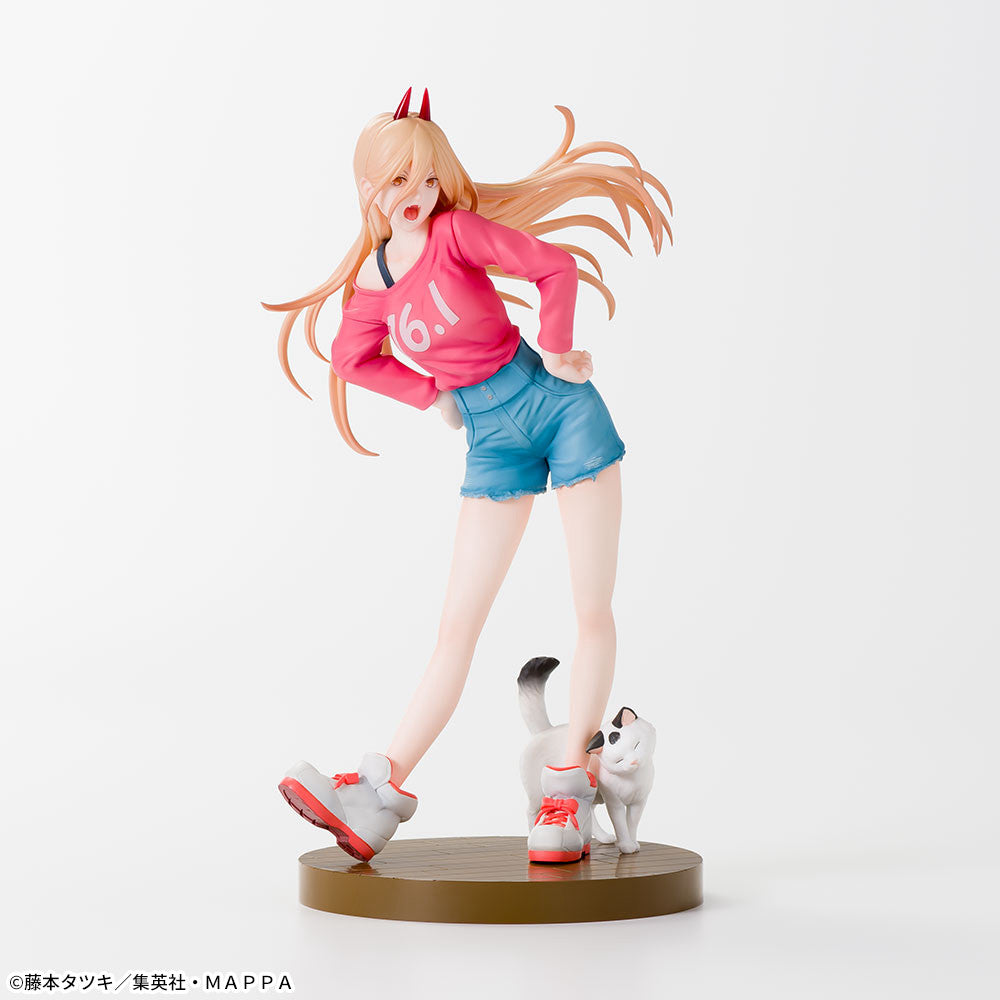
Luminasta figures are non-scale, meaning they are not built to a fixed ratio like 1/7 of a character's canonical height. Sega sizes each figure to suit its pose, so heights vary from piece to piece, typically landing in the high-teens to low-20s of centimeters, with more elaborate sculpts running larger.
| Luminasta figure | Series | Approx. height |
|---|---|---|
| Power | Chainsaw Man | 22 cm |
| Naoya Zen'in | Jujutsu Kaisen | 23 cm |
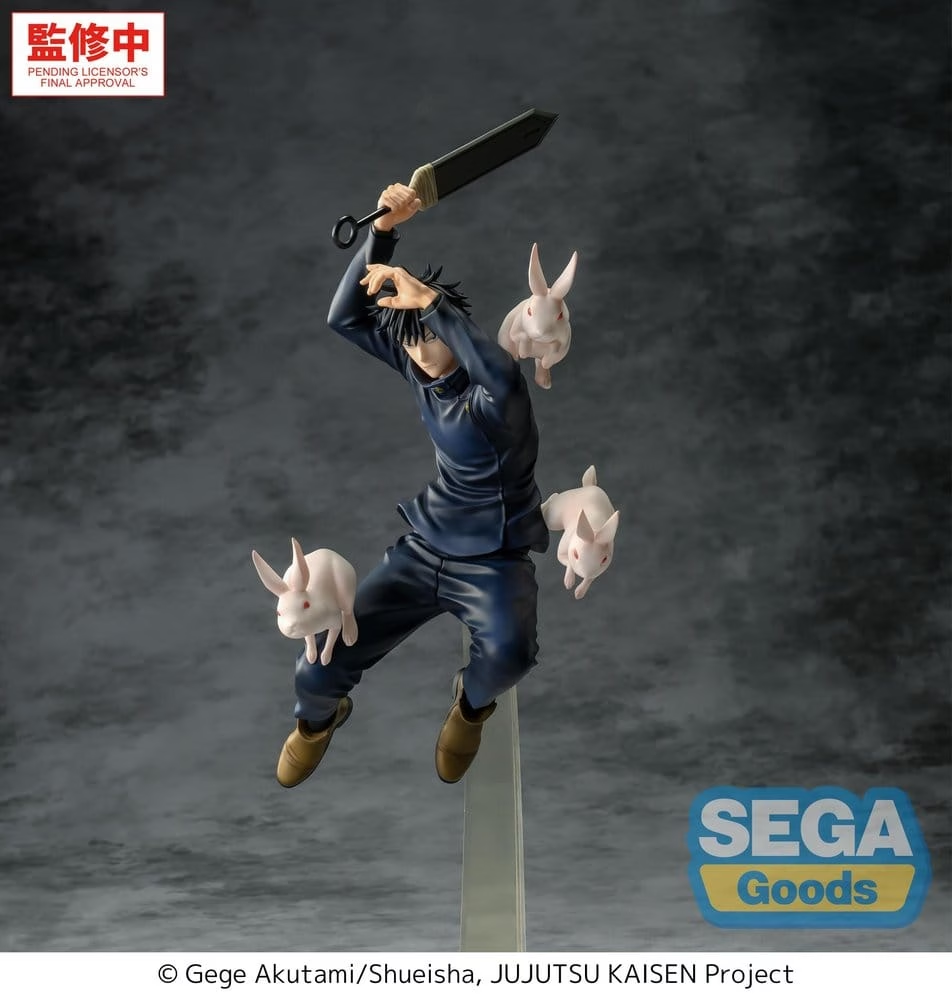
| Megumi Fushiguro | Jujutsu Kaisen | 20 cm |
| Aira (transformed) | Dandadan | ~19 cm |
| Sesshomaru | Inuyasha | 17 cm |
Because the line is non-scale, two figures from the same series will not necessarily match in height on a shelf. If uniform sizing matters to you, check the listed height on each figure before buying rather than assuming a set will line up. For a fuller explanation of what “non-scale” and scale ratios mean, see our guide to anime figure scale sizes.
How Luminasta figures are made and sold
Understanding Luminasta means understanding the Japanese “prize figure” model, which works differently from the way most Western collectors buy statues.
An amusement-prize origin
Luminasta figures are prize figures: in Japan they are distributed to game centers and won from crane games (UFO catchers) rather than sold on store shelves at a fixed retail price. That distribution model is why prize figures are relatively cheap and produced in large numbers — they are made to be a rewarding arcade payout, not a limited collector's statue.
How overseas fans buy Luminasta
Outside Japan there are no game centers stocking these, so collectors buy Luminasta figures from import hobby shops and the secondary market. Common figures often sell for roughly £20–25 (about US$25–35) from importers; sought-after or sold-out pieces climb higher on the aftermarket, where a popular figure like the Chainsaw Man Power sculpt has listed around US$49. Because Akibato ships from Japan worldwide, the practical path for most fans is a Japan-based store that can source the figure and send it out, skipping the arcade entirely.
Luminasta vs other figure lines
Luminasta sits in a crowded field of figure types. Here is how it lines up against the three lines collectors most often compare it to.
Luminasta vs scale figures
Scale figures are built to a precise ratio of a character's in-universe height, sold at retail, and priced from the tens into the hundreds of dollars for premium sculpting, materials and detail. Luminasta is prize-grade: cheaper, non-scale, and lighter on the fine detailing. If you want one showpiece, a scale figure wins; if you want several characters on a budget, Luminasta wins. Our prize figure vs. scale figure guide breaks down the full difference.
Luminasta vs MASTERLISE and Ichiban Kuji prizes
MASTERLISE is Bandai Spirits' premium figure tier inside Ichiban Kuji, Japan's no-blank lottery. Both Luminasta and MASTERLISE are “prize” figures in spirit, but you get them differently: MASTERLISE figures are drawn from a paid Ichiban Kuji lottery ticket, while Luminasta figures are Sega arcade prizes. MASTERLISE also tends to aim higher on size and finish for its top prizes. See what MASTERLISE is for the lottery side.
Luminasta vs Pop Up Parade
Pop Up Parade is Good Smile Company's affordable retail line, standardized at a compact size and sold at a fixed price through normal pre-orders. Luminasta is not sold that way — it comes through the arcade-and-import channel and varies in size figure to figure. Both target budget-minded collectors, but Pop Up Parade offers predictable sizing and easy pre-orders, while Luminasta offers a wider net of arcade-exclusive characters. Compare with our Pop Up Parade explainer.
Which anime get Luminasta figures?
Sega casts a wide net with Luminasta, favoring currently-airing hits and evergreen shonen. Series in the line include:
- Chainsaw Man — including a Power figure standing 22 cm.
- Jujutsu Kaisen — a run of The Culling Game figures such as Megumi Fushiguro (20 cm), Yuji Itadori and Naoya Zen'in (23 cm).
- Frieren: Beyond Journey's End — multiple Frieren and Himmel figures, including “Eternal Love” versions.
- Demon Slayer: Kimetsu no Yaiba — pieces like Giyu Tomioka (Awakening).
- Dandadan, Inuyasha, Re:Zero, My Dress-Up Darling, Tokyo Revengers and even Western properties like Spider-Man.
One of these figures, the Frieren “300 years in the mine” prize, we covered on its own — see our Frieren Luminasta figure writeup for a real example of a Luminasta release.
Are Luminasta figures worth it?
For most collectors, yes — with clear caveats. Luminasta is one of the better value-for-money ways to get a display-ready figure of a character you love, as long as you go in with prize-grade expectations rather than scale-figure ones.
Where Luminasta shines
- Price. A finished, painted figure for roughly the cost of a couple of movie tickets.
- Poses. Sega leans into dynamic, action-forward sculpts that photograph well.
- Breadth. The line reaches characters and side characters that rarely get an expensive scale figure.
Where it falls short
- Quality varies. Paint and sculpt consistency differ from figure to figure, so it pays to look at photos of the specific release.
- Non-scale sizing. Figures from the same series may not match heights on a shelf.
- Availability. Popular figures sell out and jump in price on the aftermarket, so buying near release saves money.
How to spot quality and avoid bootlegs
Because prize figures are cheap and widely copied, Luminasta is a common bootleg target. Buy from sellers who source from Japan, check that the box carries the Sega and Luminasta branding, and look closely at face paint and seam lines in the listing photos — sloppy eyes and rough seams are the usual bootleg tells. Our guide on how to spot a fake anime figure walks through the checks in detail.
Frequently asked questions
Is Luminasta a scale figure?
No. Luminasta figures are non-scale prize figures. They are sized to fit the pose rather than built to a fixed ratio like 1/7 or 1/8 of the character's canonical height.
Are Luminasta figures posable?
No. They are static, pre-assembled display figures fixed to a base, not articulated action figures like S.H.Figuarts or figma.
How much do Luminasta figures cost?
Commonly around £20–25 (roughly US$25–35) from importers when a figure is in stock. Sold-out or in-demand pieces cost more on the secondary market.
Where can I buy Luminasta figures outside Japan?
Through Japan-based import stores and the aftermarket. Since these start life as Japanese arcade prizes, a shop that ships from Japan is the most direct route for overseas collectors.
Takeaways
- Luminasta is Sega's non-scale, pre-painted PVC prize-figure line, distributed in Japan as an arcade prize.
- Heights vary but typically fall around 17–23 cm; the figures are static display pieces, not posable.
- The line spans Chainsaw Man, Jujutsu Kaisen, Frieren, Demon Slayer and many more.
- It is strong value for the price; just expect prize-grade finish and watch for bootlegs and aftermarket markups.
Build your Luminasta shelf
Sega has made Luminasta figures for both Chainsaw Man and Jujutsu Kaisen, and those are two of the easiest lines to start with. Browse the Chainsaw Man collection at Akibato and the Jujutsu Kaisen collection for figures shipped from Japan, including prize-line pieces as new waves land.