Ichiban Kuji Prize Tiers Explained (2026): A to Last One, Worth It?

Every Ichiban Kuji ticket wins something, but not every prize is worth lining up for. Before you spend on a lot, it helps to have the prize tiers explained in one place: what an A prize means versus a B prize, why the Last One prize is the trophy everyone fights for, and how to tell a strong kuji from a filler-heavy one.
This is a plain-English reference to the Ichiban Kuji grading system as it works in 2026, built from Bandai Spirits' own lineup pages and collector guides. Use it as the map, then jump to our figure-by-figure breakdowns when you want a specific set.
Ichiban Kuji Prize Tiers, Explained in 30 Seconds
Ichiban Kuji (一番くじ) is Bandai Spirits' guaranteed-prize lottery: every ticket you pull is redeemed for a physical prize on the spot, so there are no losing tickets. In 2026 a single ticket typically costs between ¥680 and ¥1,000, with premium licenses like One Piece and Dragon Ball trending toward the top of that range.
Each set is a numbered lot of roughly 60–80 tickets. The prizes inside are sorted into lettered tiers, usually running from A at the top down to G or H at the bottom, plus a one-per-lot Last One prize. If you want the difference between a lottery kuji and the ready-to-buy “Ichibansho” figures you see on shelves, we cover that in what Ichibansho figures are versus Ichiban Kuji.
Because Akibato ships kuji figures and full sets from Japan, the fastest way to see live lineups is to browse the in-stock Ichiban Kuji collection and read the tier list on each set as you go.
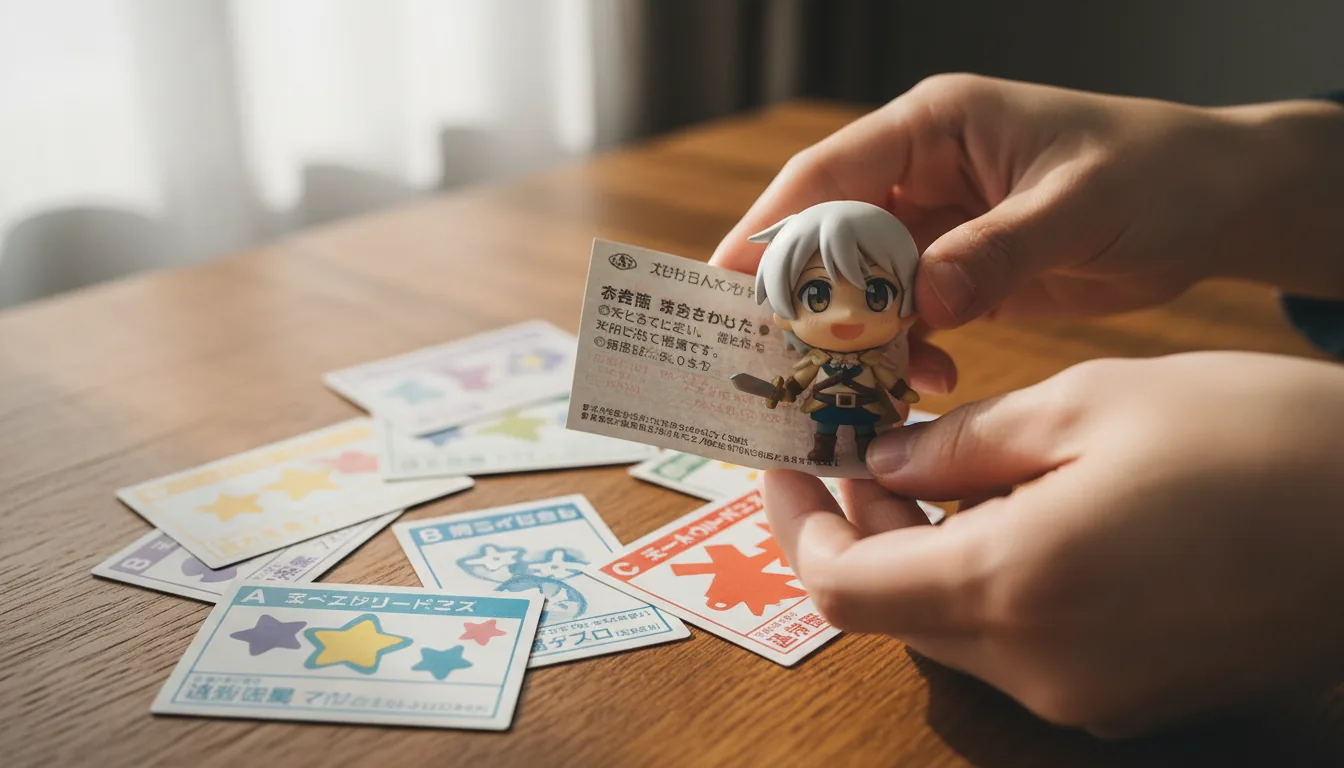
The Prize Grades, A to Last One (2026)
The letters are a value ladder, not a quality guarantee for every item. The top three grades are the figures collectors actually chase; the bottom grades are affordable goods that pad out the lot so every ticket still wins. Counts vary by set, but this is the typical shape of a modern lot.
| Grade | What it usually is | Typical per lot |
|---|---|---|
| A prize | Headline figure, 18–25cm, often MASTERLISE sculpt quality | 1 |
| B prize | Second figure, 15–18cm, alternate character or pose | 2 |
| C prize | Medium figure, secondary character | 3 |
| D–E prizes | Chibi figures, plush, or larger goods | Several each |
| F prize | Cloth item: towel, art print, or ceramics | 12–16 |
| G prize | Rubber strap, metal charm, or sticker set | 16–20 |
| Last One | Exclusive recolor of the A prize, one per lot | 1 |
Image credit and typical counts: Gashapoint's Ichiban Kuji breakdown. The takeaway for buyers: the A, B and C prizes are the reason to pull. Everything from D downward is nice to keep but rarely worth chasing on its own.
Why “MASTERLISE” Keeps Appearing on A Prizes
MASTERLISE is Bandai Spirits' premium prize-figure engineering, used to hold dynamic poses without a base and to raise paint and sculpt quality on top-tier kuji figures. When an A or B prize is labeled MASTERLISE, it usually signals the most display-worthy piece in the lot. We break the label down in what the MASTERLISE tier actually means.
The Last One Prize and Double Chance: 2 Bonuses That Change the Math
Two mechanics sit outside the normal grades, and both are why kuji sell out.
- Last One prize. Whoever draws the final ticket in the lot automatically gets an extra exclusive on top of that ticket's normal prize. It is almost always a special-color or alternate-finish version of the A figure, made only for that lot, and it is regularly the priciest item on the secondary market.
- Double Chance (W Chance) campaign. Many sets let you keep your ticket stubs and enter a serial number online or by mail into a separate draw for an additional limited figure that was never a standard tier prize at all. It rewards buying multiple tickets without cannibalizing the in-store prizes.
The Last One is the single most misunderstood part of the system, so we gave it a full guide: how the Last One prize works and how to actually get one.
Are Ichiban Kuji Worth It? A 5-Point Checklist
“Worth it” depends on why you are pulling. If you want one specific figure, buying it loose is often cheaper than gambling on a lot. If you want the thrill, the display set, or the chase for a Last One, a kuji can be great value. Run a lineup through these five checks before you commit.
| Check | Green flag | Red flag |
|---|---|---|
| Figure count | A, B and C are all figures you would display | Only the A prize appeals; rest is goods |
| Ticket price | ¥680–¥850 with 3+ desirable figures | ¥980+ for one headline figure |
| Last One design | Distinct recolor you genuinely want | Minor tweak you would not pay extra for |
| Character coverage | Your favorite is a top-tier prize | Your favorite is a G-prize strap |
| Availability | In stock as a set or by target grade | Sold out; only resale at a premium |
If three or more rows land on the green side, the set is usually worth it. For the deeper money question—whether these figures hold value over time—see whether anime figures are a good investment.
How to Read a Lineup Before You Pull: 3 Steps
Bandai publishes the full prize art and grade list for every kuji before release. Read it like this:
- Start at the bottom. If the lot has ten-plus grades and only two figures, most of your tickets are goods. Set your expectations there.
- Weigh the A against the Last One. On many sets the Last One is the version worth targeting, which means the best play is buying that single figure secondhand rather than pulling for it.
- Match it to your shelf. A strong kuji for one collector is a filler set for another. The grade that matters is the one holding your character.
You can see this reasoning applied to real sets in our October 2026 which-to-chase guide, where each lot is scored by figure count and Last One value.
Ichiban Kuji Tiers FAQ
What is the difference between an A prize and a B prize?
The A prize is the single headline figure in the lot—usually the largest, most detailed sculpt, and the only one of its kind. The B prize is a secondary figure, typically a little smaller, with two or more copies available across the lot. A is rarer and generally the most valuable standard grade.
What is the Last One prize?
The Last One prize is a bonus figure given to whoever draws the final ticket in a lot. There is only one per lot, it is usually an exclusive recolor of the A prize, and it is never sold as a standard grade—which is why it commands the highest resale prices.
Are Ichiban Kuji worth the money?
For a display set or the chase, yes—three or more desirable figures at ¥680–¥850 a ticket is strong value. For one specific figure, buying it loose is often cheaper than gambling on a whole lot. Use the 5-point checklist above to decide per set.
Do all Ichiban Kuji have a Double Chance campaign?
No. Double Chance (W Chance) is common but not universal. Check the set's official page—if it runs, keep your ticket stubs and enter the serial before the deadline for a shot at an extra exclusive figure.
Where to See Live Kuji Lineups
The grades only matter once you are looking at a real set. Akibato ships Ichiban Kuji figures and full lots from Japan worldwide, so if a lineup passes your checklist you can pull the trigger from anywhere. Browse the current in-stock Ichiban Kuji collection and read each set's tier list with this guide open.