Are Anime Figures a Good Investment? Do They Hold Value

Are anime figures a good investment? The honest answer
Short version: collect figures because you want to look at them every day, not because you expect a payout. Most mass-produced anime figures do not appreciate. A narrow set does — and you can learn to recognize it. This guide is the straight answer the marketplace-SEO pages skip, written by a Japan-based shop that ships figures worldwide and has no reason to promise you a windfall.
Here is the whole decision in one table before you scroll.
| If you... | Then figures are... |
|---|---|
| Want a piece you'll display for years | A great buy — the value is the enjoyment |
| Expect the average figure to gain money | A poor bet — most hold value at best, many dip |
| Chase a specific scarce, discontinued, or exclusive piece and keep it mint | A real chance to hold or grow value — but never guaranteed |
| Plan to open, display, and resell later | Usually a loss versus retail once fees and shipping are counted |
Nothing below is financial advice, and secondary-market prices move with demand you cannot control. Treat any appreciation as a bonus, not a plan. If you're building a shelf you genuinely want to keep, Akibato ships scale and prize figures from Japan — a good place to start with pieces chosen for love first.
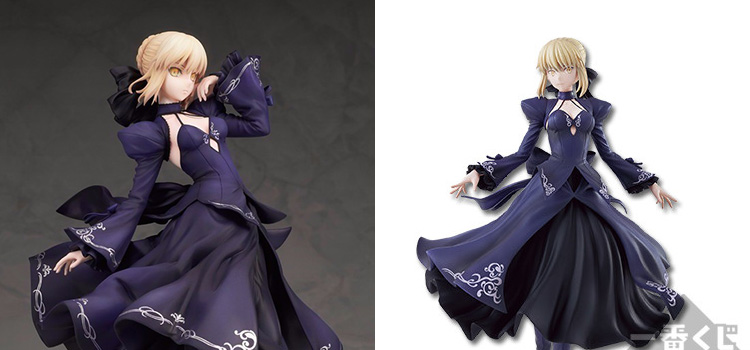
Do most anime figures hold their value?
Most figures roughly hold their retail price or drift down a little. Real appreciation is the exception, not the rule, and the reason is simple: supply. Understanding the two main figure types tells you almost everything about resale behavior.
Prize figures: made in huge numbers
Prize figures are the ones from Ichiban Kuji lotteries and crane games. They are produced in very large runs and priced low — often around $20 outside Japan for a preorder, according to figure retailers. High supply keeps a lid on resale: once a set is everywhere, only the scarcer prizes (the "Last One" prize, or the top A/B/C tiers) tend to command a premium, while the rest settle near or below what you paid.
Scale figures: fewer made, higher base
Scale figures from makers like Good Smile Company, Alter, and Kotobukiya are produced in smaller commercial runs with far tighter quality control — airbrushed shading, detailed sculpts, better bases — and sell for roughly $100 to several hundred dollars. One collector guide bluntly compares scale figures to portraits and prize figures to doodles. Because runs are smaller and often made-to-order, scale figures are where nearly all genuine appreciation happens after a piece sells out.
If you want the full picture on what different figures cost new, our 2026 anime figure price guide breaks down each type.

Which anime figures actually increase in value?
Appreciation clusters around a small, recognizable set of traits. If a figure has several of these at once, it has a real shot at holding or gaining value on the secondary market.
| Trait | Why it lifts resale value |
|---|---|
| Limited production run | Small supply meets steady demand once it sells out |
| Event / convention exclusive | Wonder Festival, Comiket and expo pieces are hard to get outside Japan |
| Discontinued with lasting demand | When interest stays high after a line ends, prices can climb over time |
| Enduring franchise | Long-running titles keep new fans arriving to compete for old stock |
| Mint condition, sealed box | Unopened, complete pieces are what serious buyers pay up for |
Discontinuation is the quiet driver
The clearest pattern in the secondary market is discontinuation plus durable demand. A figure retailer's rundown of the most valuable pieces puts it plainly: when collector interest stays high after a figure is discontinued, resale prices can rise substantially over time. One-off luxury pieces sit at the extreme — think the life-sized statues and precious-metal Gundam kits that reach five and six figures — but the everyday version of this is a normal scale figure from a beloved series that quietly goes out of print.
Enduring franchises stay in demand
Titles that keep pulling in new fans — long-running shonen and evergreen classics — feed a constant stream of buyers hunting older, out-of-print figures. MegaHouse's Portrait.Of.Pirates line for One Piece is a frequently cited example among collectors: discontinued entries kept new-in-box tend to sell above their original retail. Popular characters from series that never really cool off are the safest ground if resale is on your mind at all.
What erodes a figure's value?
Just as important as what lifts value is what quietly destroys it. Most of the money collectors "lose" on figures leaks out through these:
- Opening the box. The single biggest hit. A sealed, mint-in-box piece is a different market from a displayed one.
- Fees and international shipping. Marketplace commissions, payment fees, and cross-border postage stack up fast and eat into any paper gain.
- Sun, dust, and yellowing. UV light and heat yellow PVC and fade paint. Damage moves a figure from "mint" to "used" permanently.
- Buying at hype peaks. Preorder scalping and launch-week spikes often settle down once stock catches up.
Yellowing in particular is avoidable, and it is one of the most common ways a display figure loses grade. Our guide on how to store figures and prevent yellowing covers the eight rules that keep a piece looking new.
How much do valuable anime figures actually sell for?
It helps to separate two very different worlds. Almost everything you'll ever buy lives in the ordinary world; a tiny number of pieces live in the headline world, and the gap between them is enormous.
The headline world (rare, and not your average shelf)
A retailer's ranking of the most expensive anime figures shows just how far the ceiling goes: solid-gold Gundam pieces reported around $200,000, a gold Gunpla display near $240,000, and life-sized statues such as an Attack on Titan Eren-and-Levi set around $14,000 or a bridal Momo Belia Deviluke near $27,000. These are precious-metal, one-off, or life-sized commissions — interesting to know about, but not a template for how a normal figure behaves.
The ordinary world (where you'll actually buy and sell)
For the figures most collectors own, "appreciation" usually means a discontinued scale figure from a loved series drifting from, say, its original retail up to a modest premium once stock dries up — not a life-changing multiple. Plenty of pieces never move above retail at all. Before you assume a figure has "gone up," check completed sales on the marketplace you'd actually sell through, in the condition you'd actually sell, after fees. That real, after-cost number is the only one that matters.
Mint in box vs opened: does opening a figure kill resale value?
For resale purposes, a sealed box and an opened one are two separate markets. Collector guides are consistent on this: figures kept in mint condition with their original box and accessories retain the most value, while opened figures rarely beat their original retail unless they're rare, signed, or museum-grade displays.
That leaves a genuine fork:
- Open it if you bought the figure to enjoy it. Displaying is the entire point of the hobby, and the enjoyment is the return.
- Keep it sealed only if you specifically bought a scarce or exclusive piece with resale in mind, and you're willing to never actually see it out of the box.
You usually cannot have both. Deciding which figure is a "keeper" and which is a "sealed hold" before it arrives saves a lot of second-guessing.
How to protect value if you do care about resale
If resale is even a minor factor for you, a few habits protect your downside without turning the hobby into a chore:
- Buy the piece you actually want, in good condition, from a source you trust. Authenticity and licensing matter — a bootleg is worth close to nothing on resale.
- Keep the box and inserts. Complete packaging is a large share of a figure's resale grade.
- Store away from sunlight and humidity. This preserves both the figure and the box.
- Don't over-pay at launch. Waiting past the hype window often means paying less, not more.
New to the hobby and not sure where to begin? Our beginner's guide to collecting anime figures walks through makers, scales, and where to buy safely.
3 checks before you buy a figure for its value
If resale is part of your decision, run a piece through these three questions before you pay. Clearing all three is the closest thing to a green light this hobby offers — and even then, nothing is guaranteed.
1. Is the supply genuinely limited?
Look at how it's sold. A standard scale figure from a major maker, an event exclusive, or a clearly capped run behaves very differently from a mass Ichiban Kuji prize you can find in a dozen listings on day one. Scarce supply is the precondition for any appreciation; without it, the rest doesn't matter.
2. Will the character still be wanted in five years?
Demand has to outlast the release. Characters from enduring, still-growing franchises keep new buyers arriving to compete for old stock, which is what holds a price up. A figure from a one-season title that fades is far more likely to sit at or below retail.
3. Can you keep it mint — and are you willing to?
Resale value lives in sealed boxes and complete packaging. If you know you'll open and display it, that's a perfectly good reason to buy — just price the enjoyment as the return, and drop the resale expectation. Trying to have both usually gets you neither.
So, should you buy anime figures as an investment?
Buy the figure you want to own. If it also happens to be scarce, from an enduring franchise, and you keep it mint, you may well find it holds or grows in value — but let that be the bonus, never the reason. The honest answer that the marketplace-SEO pages won't give you is that most figures are for love, not profit, and that's exactly why the hobby is worth it.
The one thing fully in your control is buying pieces you genuinely want, in good condition, from a trustworthy seller. If that's the shelf you're building, browse Akibato's One Piece and Demon Slayer figures — two franchises with the kind of lasting demand that keeps good pieces wanted long after they sell out, shipped from Japan.
How we approach this
We sell figures, so it's fair to ask why we'd tell you most of them won't make money. The reason is that the buyers who last in this hobby are the ones who bought pieces they love, not the ones chasing a flip and getting burned. Everything above is drawn from cross-checking figure-collector guides and the plain mechanics of supply, condition, and fees — not from a promise that any specific figure will rise. When we're unsure, we say so, and we point you to real completed-sale prices rather than asking you to trust ours.
FAQ: anime figures and value
Are anime figures a good investment?
Not as a primary investment. Most figures hold value at best or dip slightly. Collect what you love; treat any appreciation on a scarce, mint, exclusive piece as a bonus.
Do anime figures hold their value?
Scale figures from major makers hold value better than mass-produced prize figures, because scale runs are smaller. High-supply prize figures usually settle near or below their low retail price.
Which anime figures increase in value?
Limited runs, event and convention exclusives, discontinued lines from enduring franchises, and pieces kept mint-in-box. Several of those traits at once is the strongest signal.
Does opening a figure lower its resale value?
Yes. A sealed, mint-in-box figure with complete packaging commands the highest resale. Opened figures rarely beat retail unless they're rare, signed, or exceptional displays.
Are prize figures or scale figures a better buy?
Prize figures are affordable, fun entry points but weak on resale. Scale figures cost more and are where almost all genuine appreciation happens after a piece sells out.