How Much Do Anime Figures Cost? A 2026 Price Guide

Anime figures range from about US$2 for a single gashapon capsule to well over US$300 for a large painted scale figure — and the type of figure is the biggest reason for that gap. If you have ever asked how much anime figures cost before you start collecting, the short answer is that there are roughly eight distinct product classes, each with its own price band. This guide breaks down anime figure prices by type as of 2026, using current listings from Good Smile US, Gundam Planet, and Japanese lottery pricing, then explains what actually drives the numbers so you can budget before you buy.
An anime figure is a collectible model of a character, produced under license from the anime, manga, or game rights holder. Prices reflect size, articulation, sculpt quality, licensing, and how the item is sold — retail, arcade prize, capsule machine, or lottery.
How much do anime figures cost? The quick answer
Here is the 2026 price map at a glance. All figures are USD and reflect typical listing prices at the time of writing; individual characters and limited editions run higher.
| Figure type | Typical price (2026) | What you get |
|---|---|---|
| Gashapon (capsule) | ~$2–4 (¥300–500) | Small, random, palm-sized |
| Ichiban Kuji (per draw) | ~$5–7 (¥700–1,000) | Lottery ticket, guaranteed random prize |
| Prize figure | ~$25–45 | Arcade/kuji-grade, fixed pose |
| Pop Up Parade | ~$32–45 | ~17–18cm fixed-pose, budget scale-style |
| Nendoroid | ~$29–60 | ~10cm chibi, poseable, swappable faces |
| S.H.Figuarts | ~$40–100 | ~14–16cm premium articulated |
| figma | ~$53–90 | ~14–15cm fully articulated |
| Scale figure (1/7–1/8) | ~$130–300+ | Large, highly detailed, fixed pose |
The cheapest ways to own an official character figure are gashapon and Ichiban Kuji draws; the most expensive is a large licensed scale figure. Everything else sits in between, and the middle band is where most collectors spend.

Anime figure prices by type (2026)
Each product class exists for a different budget and use case. Below, the price ranges come from current 2026 listings; the descriptions explain what you are paying for.
Gashapon: ~$2–4 per capsule
Gashapon (capsule toys) are the entry point to Japanese figure collecting. Bandai's 2026 capsule machines are priced at ¥300, ¥400, or ¥500 per turn depending on the series — roughly US$2 to US$4 — and the contents are random. They are small, unpainted-detail is limited, and popular series retire within weeks. Buying a full set from overseas usually means paying a middleman or buying the complete set secondhand, which raises the effective cost.
Ichiban Kuji: ~$5–7 per draw
Ichiban Kuji is a Japanese lottery where every ticket wins a prize — there are no blanks. A single draw in 2026 typically costs ¥700 to ¥1,000; for example, the 2026 Dragon Ball GT Ichiban Kuji was priced at ¥790 per draw (tax included). The top prizes are often MASTERLISE-grade figures that rival retail releases, but you cannot pick what you get, and the coveted "Last One" prize goes only to whoever buys the final ticket. For overseas buyers, the real cost is the draw price plus proxy and shipping fees — see our guide to buying Ichiban Kuji from overseas.
Prize figures: ~$25–45
Prize figures are the fixed-pose figures produced for arcade crane games and kuji, made by Banpresto, Sega, Taito, and FuRyu. Bought individually from overseas hobby retailers, they typically run about US$25 to US$45 — current listings cluster in the high-$20s to high-$40s. They are the best value for a display-sized character figure, though sculpt and paint quality is a step below retail scale lines. For how they compare to premium releases, read prize figure vs. scale figure.
Pop Up Parade: ~$32–45
Pop Up Parade is Good Smile Company's affordable fixed-pose line, standing about 17–18cm. Standard releases on Good Smile US start around US$32 and most sit under US$45, which makes them the cheapest way to get a retail-quality scale-style figure. The catch: the larger L, XL, and SP variants cost considerably more, running up to roughly US$165 for the biggest sculpts.
Nendoroid: ~$29–60
Nendoroids are the ~10cm chibi figures with oversized heads, swappable face plates, and posable joints. On Good Smile US in 2026, standard Nendoroids run from about US$29 to US$60, with a median near US$48. Deluxe sets, larger characters, and figures with elaborate accessories climb toward US$150. They are a strong middle-ground buy: cheaper than a scale figure, more expressive than a prize figure.
S.H.Figuarts: ~$40–100
S.H.Figuarts is Bandai's premium articulated line at roughly 1/12 scale (14–16cm), built for dynamic posing. Current retailer listings range from about US$40 to just over US$100, with a median near US$90 — noticeably pricier than figma because of the ratcheted joints and effect parts. Licensed heavy-hitters and Tamashii web-exclusives push the top of the range.
figma: ~$53–90
figma is Max Factory's fully articulated line at about 14–15cm, with a stand and interchangeable faces and hands. Good Smile US listings run from about US$53 to US$90, with some deluxe releases reaching US$135. If you want an action-poseable anime figure and are deciding between lines, our Nendoroid vs figma comparison covers the trade-offs.
Scale figures (1/7–1/8): ~$130–300+
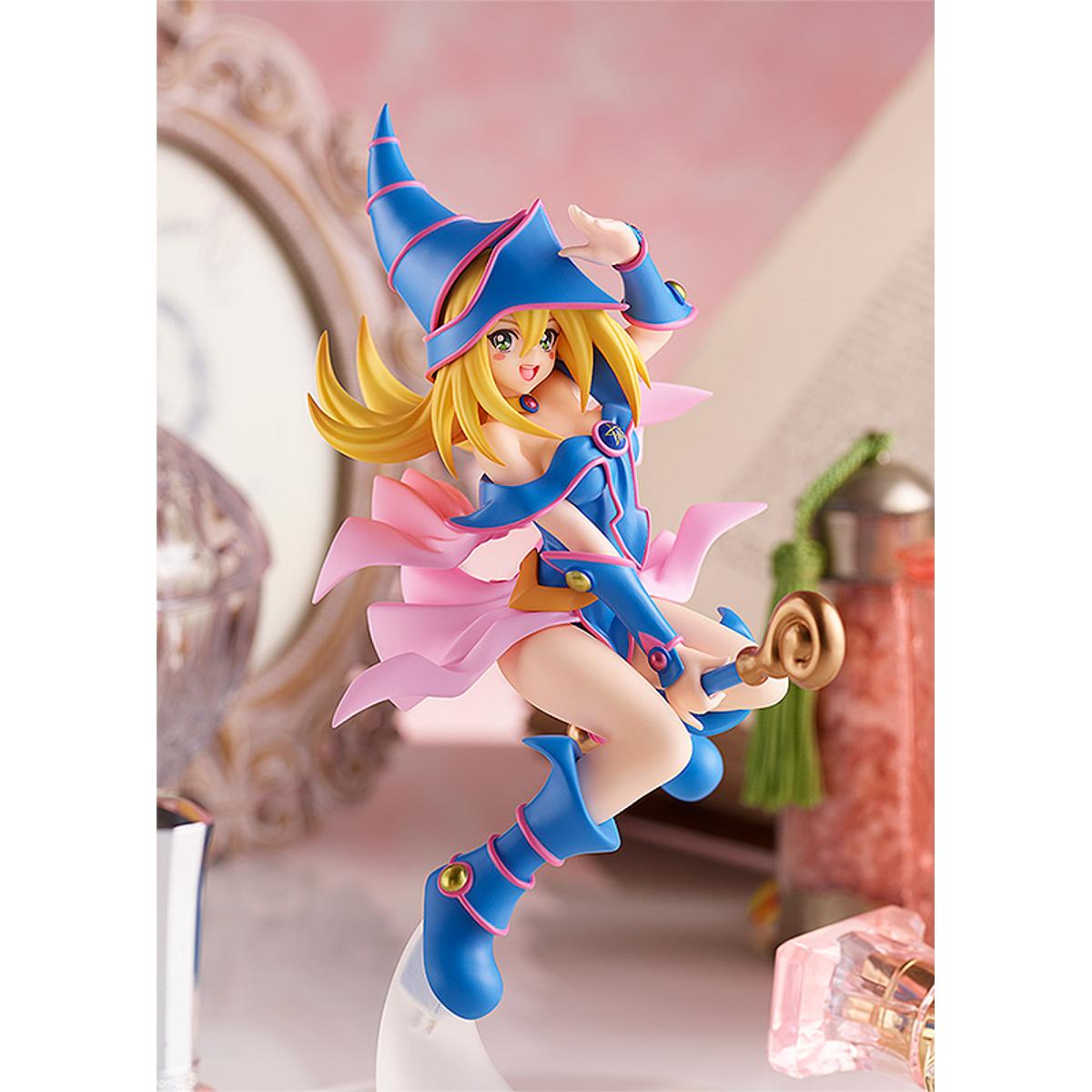
Scale figures are the large, highly detailed, fixed-pose statues that anchor most collections. On Good Smile US, 1/7 and 1/8 scale figures typically list from about US$130 to over US$280, with a median near US$167; premium sculptors and 1/4 scale releases go higher still. The number in the name is a ratio, not a size — a 1/7 figure is 1/7 the height of the character. For what those ratios mean in centimeters, see anime figure scale sizes explained.
Why do anime figure prices vary so much?
Two figures of the same character can differ tenfold in price. The main drivers:
- Size and material. A 30cm PVC scale figure uses far more material and tooling than a 10cm Nendoroid.
- Articulation. Joints are engineered parts; articulated lines (figma, S.H.Figuarts) cost more than a single fixed sculpt.
- License. Figures of hugely popular properties command higher royalties, which feed into the price.
- Sculptor and finish. Named sculptors, hand-applied paint, and cast-off or clear parts raise the tier.
- Edition size. Limited and web-exclusive runs are priced above general releases and rise on the secondhand market once sold out.
- Exchange rate and import path. Prices set in yen shift with the dollar, and overseas buyers add shipping and any duties.
The hidden costs: shipping, duties, and preorders
The sticker price is rarely the final price for collectors buying from Japan. Budget for three extras:
- Shipping. International shipping on a boxed scale figure can add US$20–60 depending on weight and method.
- Import duty and tax. Many countries levy VAT or customs duty above a threshold; check your local rules before ordering.
- Preorder deposits. Most retail figures are made to order and announced 6–12 months ahead. You reserve at the listed price and pay on release; missing a preorder often means paying an inflated aftermarket price later. Our guide to preordering figures from Japan walks through the timeline.
How to get anime figures for less
You do not have to spend US$150 to start a collection. Practical ways to keep costs down:
- Start with prize figures and gashapon. For under US$40 you get a genuine, licensed character figure.
- Preorder instead of chasing aftermarket. Reserving at retail avoids the markup that follows a sold-out release.
- Watch Pop Up Parade. It delivers scale-style presence for a fraction of a full scale figure's price.
- Buy authentic. Bootlegs are cheaper for a reason — poor paint, wrong colors, and no resale value. A too-good-to-be-true price is the clearest warning sign.
Are expensive anime figures worth it?
Value depends on why you collect. If you want display presence and are a devoted fan of one character, a scale figure's detail justifies the price for many collectors. If you want variety, breadth, or your first figures, prize figures, Nendoroids, and Pop Up Parade give the most character-per-dollar. There is no wrong tier — the right one is the one that matches how you want to display and how often you plan to buy.
Frequently asked questions
What is the cheapest type of anime figure?
Gashapon capsules are the cheapest, at about ¥300–500 (US$2–4) per turn, though the result is random. For a chosen, display-sized figure, prize figures at roughly US$25–45 are the most affordable.
Why are some anime figures so expensive?
Large scale figures cost the most because of their size, material, detailed hand-finishing, licensing royalties, and limited production runs. A premium 1/7 scale figure can list at US$150–300 or more.
Do anime figure prices go up after release?
Often, yes. Retail figures are made to order, so once a preorder window closes and stock sells out, prices on the secondhand market can rise well above the original retail price — which is why preordering matters.
Is it cheaper to buy anime figures from Japan?
Base prices are usually lowest in Japan, but overseas buyers must add international shipping and any local import duty or tax. Buying from a Japan-based store that ships worldwide consolidates those steps into one order.
Buy authentic anime figures
Whichever tier fits your budget, buy from a source that ships genuine, licensed stock. Akibato ships anime figures, prize figures, gashapon, and Ichiban Kuji from Japan worldwide — browse the Akibato figures collection to see what is in stock now, or start with Ichiban Kuji sets for a lower entry point.