What Is a World Collectable Figure? Banpresto's WCF Line

What is a World Collectable Figure (WCF)? It is Banpresto's line of palm-sized, chibi-style prize figures — the kind you either win in a Japanese arcade crane game or buy second-hand once a volume sells out. The line started with a single Dragon Ball release in 2009 and now spans dozens of franchises, each sold in small themed sets rather than as standalone figures. This guide covers where WCF came from, how big the figures actually are, how it differs from Banpresto's other prize lines, and how to tell a genuine one from a bootleg.
What Is a World Collectable Figure (WCF)?
A World Collectable Figure, almost always shortened to WCF, is Bandai Spirits' prize-figure brand built around deliberately small, stylized ("chibi") sculpts of anime and game characters. The figures are small enough to fit in one hand and display on almost any shelf, which is the whole point of the format. Like Banpresto's other prize lines — DXF and Grandista among them — WCF figures were originally designed to be won in Japanese arcade crane machines ("UFO catchers") rather than bought off a shelf at a fixed price.
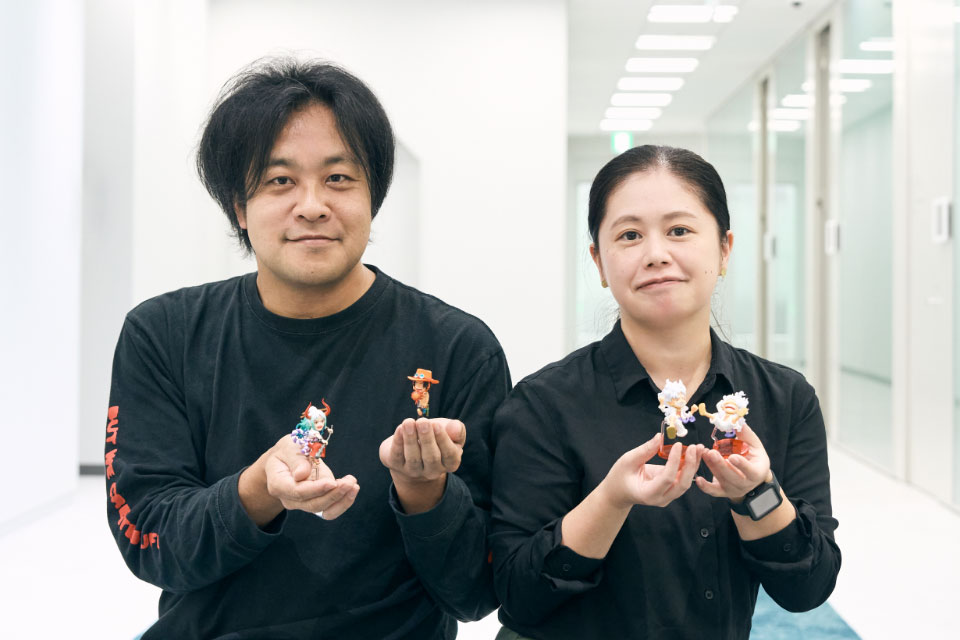
Where WCF Started: Dragon Ball's 2009 Debut
WCF launched in 2009, and Bandai Spirits credits a single release for establishing the format: "The first release, based on DRAGON BALL, became a runaway hit." The original rollout was tightly scheduled — 88 figures in total, released eight a month for eleven straight months — a pace built to keep arcade crane machines stocked with something new almost every week.
From a Dragon Ball-Only Line to a Multi-Franchise Standard
WCF did not stay a Dragon Ball exclusive for long. Today's catalog spans Dragon Ball, One Piece, Naruto, and Demon Slayer, among many other franchises, according to current WCF listings at import retailer NamekToys. JoJo's Bizarre Adventure is a useful case study for how a franchise gets folded into the line: its first WCF volume, built around the Diamond Is Unbreakable cast, released October 6, 2016, with a second volume following that December and four more volumes covering Phantom Blood, Battle Tendency, and Stardust Crusaders characters through 2017. Every documented JoJo WCF figure from that run credits the same sculptor, Shin-ichiro Natsusaka, suggesting Banpresto kept one sculptor on a franchise's likenesses rather than splitting the work across studios.

How Big Is a Standard WCF Figure?
A standard WCF figure stands about 7cm tall and is molded from ABS and PVC. Banpresto does not sell the figures individually — they are grouped into themed volumes, typically six character sculpts per set, which is why collectors usually talk about "Vol. 3" or "Vol. 12" rather than naming a single figure.
The Mega WCF Special: A Bigger Showcase Tier
Banpresto also runs an enlarged "Mega World Collectable Figure" tier for flagship characters and set pieces. One example, a Thousand Sunny ship sculpt from One Piece released in January 2021, stands roughly 19cm — nearly three times the standard WCF height — and its own product listing describes the tier as built for "an imposing size with an impeccable finish." If One Piece is the franchise that pulled you toward WCF in the first place, Akibato ships One Piece prize figures from Japan for collectors building out that crew.
The Design Idea Behind the Chibi Look
WCF's chibi proportions are a deliberate choice, not a shortcut. Shrinking a character's proportions removes some of the detail a full-scale figure would carry, so Banpresto's sculptors add extra steps elsewhere in the mold to claw that craftsmanship back. The same thinking shapes how sets are built: some volumes are designed so that completing the full set recreates a specific scene from the source material, others so that combining parts from different figures forms one larger tableau, and others so that owning an entire series completes a full cast on the shelf. That set-based structure, more than any single figure, is what separates WCF from Banpresto's other prize lines — for a side-by-side look at those other lines, see our breakdown of What Is Banpresto.
WCF vs DXF: Which Banpresto Prize Line Should You Collect?
Size is the fastest way to tell Banpresto's prize lines apart. WCF is the smallest line and the only one sold in multi-figure sets; DXF and Grandista are single figures at larger scales.
| Line | Typical size | Format |
|---|---|---|
| World Collectable Figure (WCF) | ~7cm (2.5–3.1in); Mega WCF Special up to ~19cm | Themed sets, usually 6 figures |
| DXF (Define X Figure) | ~15–19cm | Single pose-driven figure |
| Grandista | ~28cm | Single large statue, retail release |
Pick WCF if you want to fill a shelf with an entire cast cheaply and don't mind figures roughly the size of a chess piece. Pick DXF if you want one or two characters posed dramatically at a size that reads from across a room. For a full breakdown of how DXF's name, sizing, and sub-lines work, see our Banpresto DXF explainer. If you're trying to place either line against other anime figure formats, our guide to anime figure scale sizes covers how prize figures compare to 1/7 and 1/8 scale statues.
How to Tell a Genuine WCF Figure From a Bootleg
Because original WCF figures were won as arcade prizes rather than sold with a receipt, counterfeits are common on resale marketplaces. A WCF-specific authenticity breakdown from Is It Fake lays out concrete checks before you buy second-hand:
- The box logos: genuine packaging carries both a Banpresto logo and a Craneking logo on opposite panels, plus a Toei Animation authenticity seal on top; bootleg boxes leave that seal space blank.
- The QR code: real boxes print a working Craneking QR code; fakes show a flatly copied image.
- Print and material: authentic boxes use sharp, vibrant printing on solid cardboard; bootlegs show dull or over-sharpened printing on noticeably cheaper stock.
- The figure itself: genuine WCF sculpts have smooth, matte paint and clean mold lines; bootlegs show paint bleeding past edges, visible mold seams, or rough surface texture.
Buying WCF Figures Outside Japan
Because WCF figures start as arcade prizes, almost none of them carry a manufacturer's suggested retail price — the number on a resale listing reflects whatever a seller paid to win or import the figure, not a fixed cost. On NamekToys' current WCF catalog, individual secondary-market figures run roughly €4.99 to €19.99 depending on the character and how long ago the volume sold out, with rarer characters from older, out-of-print sets commanding the high end. Since WCF started with Dragon Ball and the franchise still holds the line's oldest, most sought-after volumes, Akibato ships Dragon Ball figures from Japan if that origin story is what drew you to the line in the first place.
Quick Summary
- WCF launched in 2009 with Dragon Ball and was originally planned as 88 figures released 8 a month for 11 months.
- Standard WCF figures are about 7cm tall, sold in themed volumes of around 6 characters rather than individually.
- A larger "Mega WCF Special" tier exists for flagship characters, reaching about 19cm.
- WCF is Banpresto's smallest and only set-based prize line; DXF (~15–19cm) and Grandista (~28cm) are single-figure lines at larger scales.
- Genuine WCF boxes carry both a Banpresto logo and a Craneking logo, plus a Toei Animation seal — bootlegs are usually missing one or more of these.
FAQ
What does WCF stand for?
WCF stands for World Collectable Figure, Banpresto's line of palm-sized, chibi-style prize figures sold in themed, multi-character sets.
How big is a World Collectable Figure?
A standard WCF figure is about 7cm (roughly 2.5–3.1 inches) tall. Banpresto's enlarged "Mega WCF Special" figures run closer to 19cm for flagship characters.
Is WCF the same as DXF?
No. Both are Banpresto prize-figure lines, but WCF is smaller (about 7cm) and sold in multi-figure sets, while DXF figures are single, larger sculpts around 15–19cm built around one pose.
Can I buy WCF figures outside Japan?
Yes, though almost always through resellers. WCF figures began as Japanese arcade crane-game prizes without a fixed retail price, so import shops and secondary marketplaces are the main way to buy them outside Japan.
What was the first WCF line?
The first WCF release was based on Dragon Ball in 2009, which Bandai Spirits describes as the release that made the format a hit before it expanded to other franchises.
How do I know a WCF figure is real?
Check the box for both a Banpresto logo and a Craneking logo on opposite panels, plus a Toei Animation authenticity seal — genuine boxes also scan a working Craneking QR code, which bootlegs typically fake or omit.
Sources
- Bandai Spirits — Redefining the Standard of Prizes with the World Collectable Figure
- NamekToys — World Collectable Figure (WCF) by Banpresto
- NamekToys — Thousand Sunny Ship One Piece Mega WCF Special
- JoJo's Bizarre Encyclopedia — World Collectable Figure
- Is It Fake — Banpresto World Collectable Figure: Whole Cake Island Nami authenticity guide