What Are Anime Figures Made Of? PVC vs ABS vs Resin (2026)

What are anime figures made of? Almost every figure on your shelf is built from one of three materials: PVC, ABS, or resin. Knowing which is which is not trivia. It decides how heavy the piece feels, how sharp its detail is, how it ages, and how much you should reasonably pay. A $40 prize figure and a $400 garage-kit statue can show the same character in the same pose, yet they are made of completely different plastics that behave in completely different ways.
This guide explains what PVC, ABS, and resin actually are, which parts of a figure each one is used for, and how to tell them apart in a few seconds while you are holding the box. It also covers the part most buying guides skip: how each material ages, why PVC turns sticky, why ABS pegs crack, and why a resin statue chips instead of bends. By the end you will read a figure's material label the way a collector does, as a spec sheet rather than a footnote.
What are anime figures made of? The quick answer
An anime figure is a collectible statue of a character, mass-produced by injection-molding plastic (usually PVC and ABS) or, for limited runs, by casting resin. Most modern scale and prize figures are a blend: soft PVC for the sculpted, detailed body and rigid ABS for the base and support parts. High-end statues and hobbyist kits are cast in resin or its heavier cousin, polystone, instead.
Here is the whole picture in one table. The rest of the guide unpacks each row.
| Material | Used for | Feel and weight | How it ages | Typical products |
|---|---|---|---|---|
| PVC (soft) | Sculpted body, hair, skirts, capes, fine detail | Light, slightly flexible | Turns sticky, yellows, leans | Scale figures, prize figures |
| ABS (rigid) | Bases, pegs, stands, weapons, joints | Light but stiff and hard | Cracks under stress, gets brittle | Bases and supports on most figures |
| Resin / polystone | Whole statue, garage kits, limited runs | Heavy, cold, solid | Chips or shatters on impact | Premium statues, garage kits |
If you are still deciding what to add to a shelf, Akibato ships PVC and resin figures from Japan worldwide, and browsing the Akibato figures collection is an easy way to see how these materials look across price points before you commit.
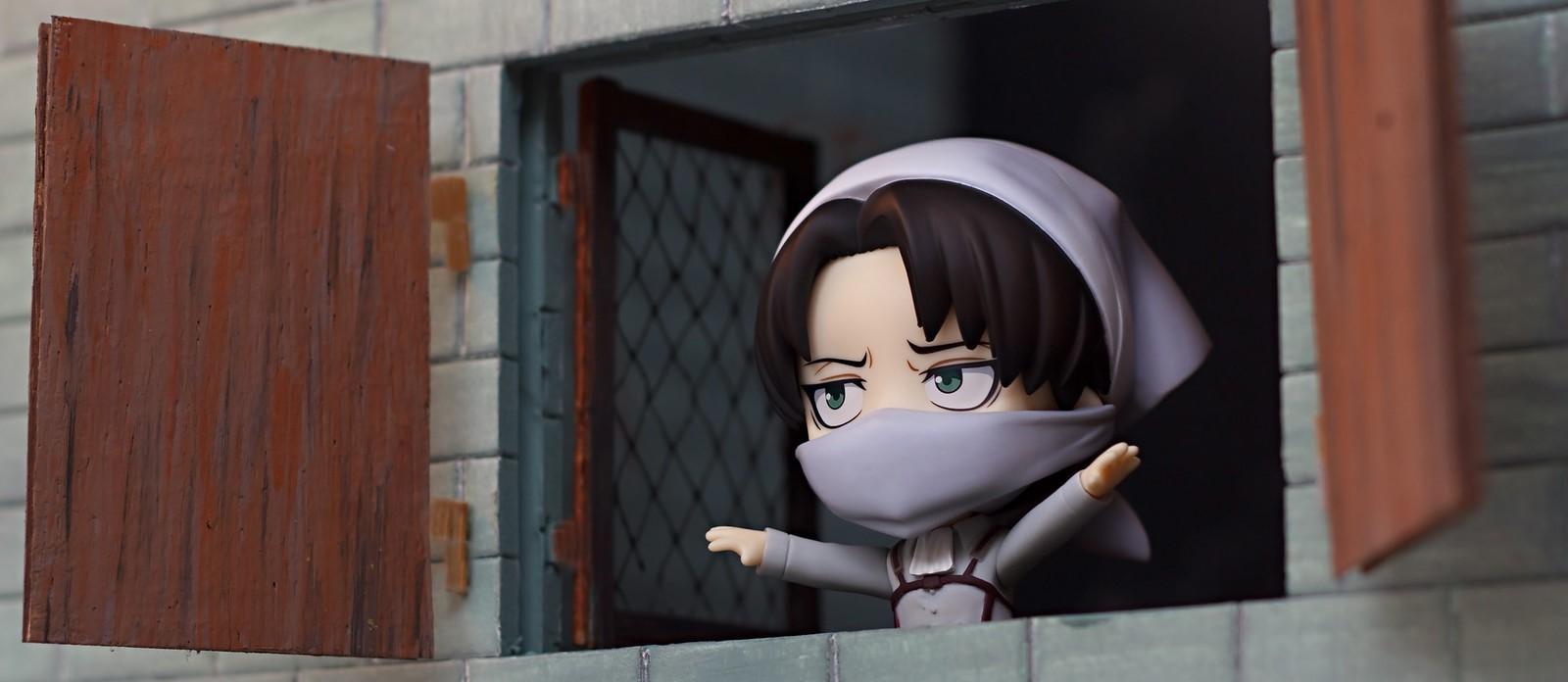
What is PVC, and why is most of your figure made of it?
PVC is polyvinyl chloride, the same base plastic used in pipes and vinyl records, but softened for figures with additives called plasticizers. Manufacturers melt it and inject it into reusable steel molds, which is why PVC is cheap enough for mass production and paints well enough to carry crisp color. Industry write-ups estimate that a large majority of anime figures are PVC or PVC-based.
The reason PVC dominates the sculpted parts is flexibility. A plasticizer acts as a molecular spacer between the polymer chains, so soft PVC can bend a little without snapping. That matters for the thin, dramatic pieces a good figure lives on: flowing hair strands, billowing skirts, capes, and fingers. Cast those in a rigid plastic and they would crack the first time you bumped the shelf.
The trade-off is that PVC has low heat resistance and limited rigidity. Larger pieces tend to lean over time as gravity and warmth pull on the plastic, an effect display guides describe bluntly: PVC "tends to lean over time, especially larger pieces." The good news is that a gentle lean can often be heat-corrected with warm water and patience. If you want the full setup for keeping tall figures upright, our guide to displaying anime figures covers stands, cases, and placement.

What is ABS, and why is it in the base and pegs?
ABS is acrylonitrile butadiene styrene, a tough, impact-resistant plastic. It is the quiet workhorse of a figure: the black base, the clear stands, the pegs that plug into a foot, the swords and rifles, and the load-bearing joints on articulated figures. Makers reach for ABS wherever a part has to hold weight or take stress without deforming, which is exactly where soft PVC would sag.
ABS is not used for the main sculpt because it is a poor match for fine detail. It is smooth, does not accept paint without priming, and is harder to work into delicate shapes. That division of labor is why so many boxes are stamped "PVC & ABS": PVC handles the artistry, ABS handles the engineering.
ABS has one failure mode collectors should know. It is prone to environmental stress cracking, where sustained stress, cold, or contact with solvents and oily lubricants triggers slow brittle cracks. In practice this shows up as hairline splits around a peg hole or a base screw that was forced in too tight. The fix is prevention: never over-tighten a peg, and keep alcohol-based cleaners and lubricants off ABS parts.
What is resin (and polystone)? The statue and garage-kit material
Resin is a completely different manufacturing path. Instead of injection-molding, resin figures are cast: liquid polyurethane resin is poured into a mold and left to cure. Casting suits small runs because the molds are cheaper to make but wear out fast, so resin is the material of limited-edition statues and hobbyist kits rather than mass-market prize figures. Resin holds detail as sharply as PVC, feels noticeably heavier, and costs more.
Polystone vs plain resin vs cold-cast
Not all resin is the same, and the differences are things you can feel:
- Plain resin: polyurethane with no filler. Lighter than polystone, closer to a fine model, and it takes a bump better because it can absorb a little impact.
- Polystone: resin mixed with powdered stone (usually calcium carbonate). It feels cold and museum-solid, can weigh several kilograms even at quarter scale, and holds the sharpest surface texture. The trade-off is that it is rigid and brittle, and chips or shatters at thin points like fingers, weapon tips, and base edges.
- Cold-cast: resin blended with metal powder to give a metallic finish. "Cold" means the resin cures without being melted first.
What is a garage kit (GK)?
A garage kit is, in its truest sense, an unpainted and unassembled resin model kit. You get raw cast parts and do the sanding, gap-filling, assembly, and painting yourself. Garage kits let sculptors sell characters or poses no mass-market company would tool up for, which is why they are prized by advanced collectors, but a GK is a project, not a display-ready figure.
5 ways to tell what your figure is made of
You rarely need a lab. These five checks resolve the question in seconds:
- 1. Read the box. Modern scale and prize figures print the materials, usually "PVC, ABS." This is the fastest and most reliable answer.
- 2. Weigh it in your hand. A PVC/ABS figure feels light for its size. Resin feels substantial, and polystone feels stone-heavy and cold to the touch because of its thermal mass.
- 3. Test flex on a thick part, gently. Never force a delicate piece, but a thick PVC section gives slightly and springs back. ABS is stiff. Resin does not flex at all; push it and it would break, not bend.
- 4. Tap it. Polystone and resin give a dense, ceramic-like tap. PVC and ABS sound like the light plastic they are.
- 5. Look at the price and run size. A cheap, mass-produced figure is PVC/ABS. A heavy, expensive, numbered "statue," or an unpainted "garage kit," is resin or polystone.
How each material ages over time
Every material on your shelf is slowly changing. Knowing the failure mode for each one tells you what to watch for and how to slow it down.
PVC: sticky bloom, yellowing, and leaning
PVC's plasticizers do not stay put. Over months and years they migrate from the interior to the surface, then evaporate, leaving a tacky residue chemists call "bloom" that attracts dust; eventually the plastic hardens and can yellow. Heat, time, and UV light all speed this up, and a figure sealed in its box can turn sticky because, as one collector care guide puts it, the evaporating plasticizers have "nowhere to escape." To slow it, keep PVC cool, dry, ventilated, and out of direct sunlight, ideally in a UV-filtering case rather than a sealed box.
ABS: stress cracks at the pegs
ABS does not go sticky. Its aging is mechanical: sustained load or repeated stress can open brittle cracks, most often at the pegs and screw posts that were tightened too hard, and the plastic gets more brittle in cold conditions. Keep pegs snug rather than crushed, avoid displaying in a freezing room, and keep solvents away, and ABS parts routinely outlast the PVC around them.
Resin and polystone: chips, not rot
Resin is dimensionally stable and does not turn sticky the way PVC can, so its enemy is not chemistry but impact. Because polystone cannot flex to absorb a knock, a fall that would merely bend a PVC arm can shatter a polystone one at the wrist or ankle. Store and ship heavy resin pieces with real padding, and support their weight so thin points are not carrying the load.
What the material means when you buy
The material is a spec that should shape your expectations. A PVC/ABS scale figure is the sweet spot for most shelves: detailed, affordable, light to ship, and forgiving of the occasional bump, as long as you keep it out of the sun. Resin and polystone buy you gallery-grade detail and heft, but you are paying more, shipping a fragile object, and taking on the risk of chips. That heft and small production run is also a big part of why premium figures cost what they do, which we break down in our guide to why anime figures are so expensive.
Material also separates the two big "which should I buy" questions collectors ask. If you are weighing a static PVC scale figure against an articulated, ABS-jointed action figure, the plastics themselves explain the trade-off, which our figma vs S.H.Figuarts comparison gets into. And if this is your first purchase, the material label is one of the first things to check, alongside the tips in our beginner's guide to collecting figures.
Frequently asked questions
Are anime figures PVC or resin? Most mass-produced anime figures, including nearly all scale and prize figures, are PVC for the body and ABS for the base. Resin is reserved for limited-edition statues and unpainted garage kits.
Is PVC or resin better for a figure? Neither is simply better. PVC is lighter, cheaper, more paintable, and more impact-forgiving; resin and polystone hold sharper detail and feel premium but are heavier, pricier, and brittle. Match the material to how you display and how much you want to spend.
Are PVC figures toxic or safe to display? Displayed figures are safe to handle; the plasticizer bloom that can appear over years is a surface residue you wipe off, not a hazard from normal shelf display. Keep them out of the mouths of small children and pets, as you would any small collectible.
Why is my figure sticky? That tackiness is plasticizer that has migrated to the PVC surface, accelerated by heat and by being sealed in a box. Wipe it gently, then display the figure cool, dry, and ventilated.
Where to buy figures you can trust
Once you can read a material label, the next question is sourcing: a genuine PVC/ABS scale figure holds detail and ages predictably, while a suspiciously cheap "resin" copy is often a bootleg cast with soft detail and no quality control. Buying from a Japan-based store that ships worldwide is the simplest way to know what you are getting.
If this guide has you wanting to add a piece you will actually keep, browse the Akibato figures collection for scale and prize figures shipped directly from Japan, with the materials listed so you know exactly what is arriving.